
Roof Inspection Katy, TX
Looking for professional roof inspections in Katy, TX? A thorough roof inspection can help identify leaks, damaged shingles, flashing problems, storm damage, and other roofing issues before they develop into more expensive repairs.
Our roof inspection Katy services provide homeowners with a careful assessment of their roofing system. Whether you’re concerned about recent storm damage, an aging roof, or simply want to understand your roof’s current condition, our team can inspect the key components and explain any issues found.
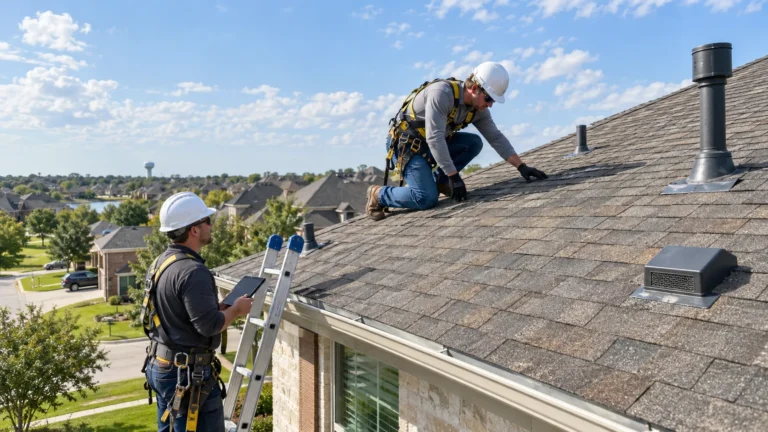
Professional Roofing Inspection in Katy
A professional roofing inspection is an important part of protecting your home and maintaining your roofing system. Some roofing problems aren’t obvious from the ground and may continue to worsen if they’re left unnoticed.
During an inspection, the roof is evaluated for visible signs of wear, damage, deterioration, and potential water-entry points. Based on the findings, you can better understand whether your roof needs maintenance, repair, or further evaluation.
When Should You Schedule a Roof Inspection?
Consider scheduling a roof inspection when you notice:
-
- Missing, cracked, curled, or damaged shingles
-
- Signs of a roof leak or water intrusion
-
- Damage following strong winds or severe weather
-
- Loose or damaged flashing
-
- An aging or deteriorating roof
-
- Roof debris or damaged roofing components
-
- Problems around vents, chimneys, or roof penetrations
You may also want an inspection when buying or selling a home or when you simply haven’t had your roof checked for an extended period.
Contact us for more details .
What Is Included in a Roof Inspection?
A roof inspection typically includes an assessment of the roof covering, flashing, penetrations, drainage areas, and visible signs of leaks, deterioration, or storm damage. What can be inspected may vary depending on the roof design, accessibility, and condition.
A roofing professional may check:
1.Shingles and Roofing Materials
The inspector looks for missing, cracked, loose, curling, or otherwise deteriorated roofing materials.
2.Flashing
Areas around chimneys, vents, valleys, and other roof transitions may be examined for deterioration or possible water-entry points.
3.Roof Penetrations
Roof vents, pipes, and similar penetrations are checked for visible problems around their seals and surrounding materials.
4.Gutters and Drainage Areas
Visible drainage problems, debris buildup, and conditions that could interfere with proper water movement may be identified.
5.Signs of Moisture or Leaks
Where accessible and appropriate, the inspection may look for visible evidence that could indicate water intrusion.
How Long Does a Roof Inspection Take?
A typical residential roof inspection can take around 45 minutes to a few hours, depending on the size, design, accessibility, and condition of the roof.
A relatively simple residential roof may require less time, while a larger property or a roof with multiple slopes, difficult access, or suspected damage may take longer to evaluate properly.
Instead of rushing the process, the goal should be to examine the relevant roofing components carefully and identify visible concerns.
What Is Roof Inspection Cost in Katy, TX?
Roof inspection costs in Katy, TX can vary depending on the property, roof size and complexity, accessibility, inspection scope, and the roofing company providing the service.
Because inspection pricing can differ significantly, it’s better to request a quote for your specific property rather than relying on a single generic price.
Why Roof Inspections Matter?
Small roofing problems can become more difficult and expensive to address when they remain unnoticed. Routine inspections can help identify visible issues earlier and give homeowners useful information about their roof’s condition.
An inspection can be particularly valuable after severe Texas weather. High winds, heavy rain, hail, and other weather conditions can affect roofing materials even when the damage isn’t immediately obvious from the ground.
Roof Inspections After Storm Damage
If your Katy property has recently experienced severe weather, scheduling a roof inspection can help determine whether visible storm-related damage is present.
The inspection may identify issues such as damaged or missing shingles, affected flashing, exposed roofing areas, or other visible signs of deterioration. If repairs are recommended, you can then decide on the appropriate next step based on the roof’s condition.
Schedule a Roof Inspection in Katy, TX
Don’t wait for a small roofing issue to become a bigger problem. Get a professional assessment of your roof and understand its current condition.
Whether you’re dealing with suspected damage, an aging roofing system, or simply need a routine roof inspection in Katy, contact our team to schedule an inspection.
Frequently Asked Questions
How often should I have my roof inspected?
Many homeowners consider periodic inspections as part of preventative roof maintenance, particularly after major storms or when a roof begins showing signs of aging. The appropriate frequency depends on factors such as the roof’s age, material, condition, and exposure to severe weather.
Should I get a roof inspection after a storm?
If your property has experienced hail, high winds, falling debris, or other severe weather, an inspection can help identify visible roofing damage that may not be noticeable from ground level.
Can a roof inspection find leaks?
A roof inspection can identify visible conditions associated with potential water intrusion, such as damaged roofing materials, deteriorated flashing, or problems around roof penetrations. However, the exact source of a leak may sometimes require additional investigation.
Does a roof inspection mean I need a new roof?
No. An inspection is intended to assess the roof’s condition. Depending on what is found, the appropriate recommendation could range from no immediate work to maintenance, localized repairs, or roof replacement.
How long does a roof inspection take?
A residential roof inspection commonly takes around 45 minutes to a few hours, although the actual time depends on the roof’s size, complexity, accessibility, and condition.