
Roof Repair in Katy TX for Homes and Businesses
A leaking or damaged roof can quickly become more than an exterior problem. Water intrusion can affect roof decking, insulation, ceilings, drywall, and other parts of your property when the source is not identified and corrected.
katy Roofing Solutions provides dependable roof repair in Katy TX homeowners and businesses can turn to for leaks, missing shingles, storm damage, flashing problems, damaged roof penetrations, and other common roofing issues.
Our approach begins with inspection and diagnosis. Instead of simply covering the visible symptom, we look for the source of the problem, explain what we find, and recommend a repair based on the actual condition of the roof.
Whether you noticed damage after a storm or discovered a ceiling stain with no obvious cause, our goal is to help you understand what is happening and what should be done next.
Need your roof inspected?
Call [Phone Number] or request a roof repair inspection in Katy, Texas.
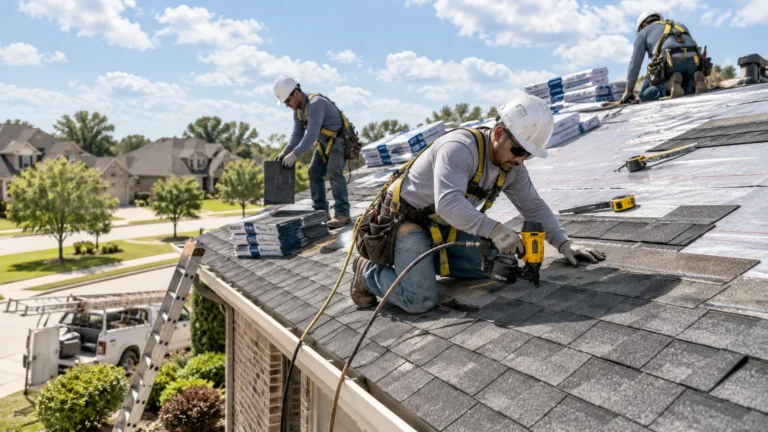
What Causes Roof Damage in Katy, Texas?
Katy roofs deal with a combination of heat, strong sunlight, heavy rain, wind, hail, humidity, and seasonal storms. Roofing materials naturally age as they remain exposed to these conditions year after year.
Some roof problems develop suddenly. Others happen gradually.
Common causes include:
-
- High winds lifting or removing shingles
-
- Hail affecting roofing surfaces
-
- Heavy rain exposing vulnerable areas
-
- Aging shingles becoming brittle or worn
-
- Failed flashing around walls and roof transitions
-
- Cracked or deteriorated pipe boots
-
- Loose or exposed roofing fasteners
-
- Damaged vents or roof penetrations
-
- Tree limbs or wind-blown debris
-
- Sealants deteriorating around vulnerable areas
-
- Moisture reaching roof decking
-
- Previous repairs that no longer keep water out
Roof age matters, but age alone does not determine whether a roof must be replaced.
Two roofs of the same age can be in very different condition depending on material quality, ventilation, installation, storm exposure, maintenance, and previous repairs.
That is why an inspection should evaluate the roofing system rather than make a decision based only on age.
Common Roof Problems We Repair
Our Katy roof repair work may involve anything from one damaged roof component to several affected areas.
Roof Leaks
A roof leak can begin around shingles, flashing, vents, valleys, pipe penetrations, chimneys, skylights, walls, or roof transitions.
One important point homeowners often miss is that the location of an indoor ceiling stain may not be directly underneath the roof opening.
Water can travel along:
-
- Roof decking
-
- Rafters
-
- Framing
-
- Pipes
-
- Insulation
-
- Other building materials
before becoming visible indoors.
Finding the source is therefore one of the most important parts of a proper repair.
Missing or Wind-Damaged Shingles
Wind can lift, crease, loosen, or remove shingles.
A small number of missing shingles does not automatically mean the entire roof needs replacement. When damage is localized and the surrounding roofing system remains serviceable, targeted repair may be possible.
Cracked or Worn Shingles
Heat, weather exposure, age, and physical damage can cause shingles to crack, curl, lose granules, or deteriorate.
An inspection can determine whether the problem affects only a limited area or represents more widespread roof wear.
Roof Flashing Problems
Flashing protects some of the most vulnerable areas of a roofing system.
It is commonly installed near:
-
- Roof-to-wall transitions
-
- Chimneys
-
- Valleys
-
- Skylights
-
- Vents
-
- Roof edges
-
- Other penetrations
Loose, damaged, improperly installed, or deteriorated flashing can allow water to enter even when surrounding shingles appear normal.
Pipe Boot and Vent Leaks
Plumbing vents and other roof penetrations require properly sealed components.
Rubber boots, flashing, sealants, and surrounding materials can deteriorate with age and weather exposure.
These areas are common sources of roof leaks and should be checked during an inspection.
Roof Valley Damage
Valleys carry significant amounts of rainwater from different roof slopes.
Damage, debris buildup, deteriorated materials, installation problems, or flashing issues in a valley can increase the chance of water intrusion.
Roof Decking Damage
Roof decking sits underneath the visible roofing material.
When water penetrates the roofing system for an extended period, portions of the decking may become deteriorated or softened.
The condition of the decking should be considered before damaged roofing material is replaced above it.
Roof Damage Repair After Katy Storms
Strong storms can create obvious roof problems, but some damage is difficult to identify from the ground.
Possible storm-related signs include:
-
- Missing shingles
-
- Lifted or creased shingles
-
- Damaged roof vents
-
- Loose flashing
-
- Impact marks
-
- Fallen branches
-
- Debris on the roof
-
- New ceiling stains
-
- Water intrusion
-
- Gutter or downspout damage
After significant wind or hail, avoid climbing onto the roof yourself.
A wet, steep, or damaged roof can be dangerous.
For roof damage repair, the first step should be determining what was actually affected. A localized damaged section may require repair, while widespread problems may justify discussing replacement.
Inspection should come before the decision.
What Should I Do If My Roof Is Leaking Right Now?
If water is entering your home or business, protect people and property first.
Move furniture, electronics, valuables, and other items away from the affected area when it is safe to do so.
Place a bucket or container underneath dripping water.
If ceiling material appears swollen or unstable, avoid standing directly beneath it.
Do not climb onto a wet roof or attempt dangerous repairs during severe weather.
Contact a roofing professional so the source can be investigated.
A temporary measure may sometimes be needed before permanent repair can safely be completed, but temporary protection should not be confused with correcting the underlying cause.
How Do Roofers Find the Source of a Leak?
Roof leak diagnosis normally combines visible evidence with an inspection of areas where water commonly enters.
The roofer may evaluate:
-
- Missing or damaged shingles
-
- Flashing
-
- Valleys
-
- Pipe boots
-
- Roof vents
-
- Skylights
-
- Chimneys
-
- Roof-to-wall transitions
-
- Exposed fasteners
-
- Sealants
-
- Roof penetrations
-
- Decking condition
-
- Interior or attic signs when accessible
The visible drip inside the building provides a clue, but it does not always reveal the exact entry point.
A good repair addresses the water-entry source rather than simply sealing the location where water became visible indoors.
Roof Repair or Roof Replacement: Which Do I Need?
A leaking roof does not automatically need replacement.
Repair can often be considered when:
-
- Damage is confined to a small area
-
- One identifiable component has failed
-
- Most roofing materials remain in serviceable condition
-
- Compatible replacement materials are available
-
- Decking around the damaged area remains sound
-
- Leaks are isolated rather than recurring throughout the roof
Replacement may deserve consideration when:
-
- Damage affects large portions of the roof
-
- Multiple areas are leaking
-
- Repairs have become frequent
-
- Roofing materials are extensively deteriorated
-
- Large areas of decking are damaged
-
- Storm damage is widespread
-
- The roof is approaching the end of its useful service life
The correct answer depends on the condition of the entire roofing system.
A contractor should be able to explain why repair or replacement is being recommended.
Our Roof Repair Process
Homeowners should know what to expect before roofing work begins.
1. Tell Us What You Are Seeing
You may have noticed a ceiling stain, missing shingles, storm damage, loose flashing, an active leak, or another roofing concern.
That information helps guide the initial inspection.
2. Roof Inspection
We examine the affected area and relevant roofing components to look for visible damage and likely water-entry points.
When useful and safely accessible, attic or interior evidence may also help identify where moisture is traveling.
3. Diagnosis
After finding the likely source, we determine whether the problem appears localized or whether surrounding roofing components also require attention.
4. Repair Recommendation
We explain:
-
- What appears damaged
-
- What should be repaired or replaced
-
- Which materials are involved
-
- Whether decking could require additional work
-
- Any conditions that may affect completion
5. Repair Work
The agreed repair is completed using materials appropriate for the roofing system and scope of damage.
6. Cleanup and Final Review
The work area is cleaned and the repaired section is reviewed.
You should also receive guidance about other roof conditions that may need attention in the future.
Residential Roof Repair in Katy
A residential roof protects more than shingles and decking.
When water enters a home, it can potentially affect insulation, ceilings, drywall, framing, and interior finishes.
Our roof repair in Katy TX focuses on identifying the source early and determining whether a targeted repair can stop the problem before additional damage occurs.
Common residential repair requests include:
-
- Leaking roofs
-
- Missing shingles
-
- Storm damage
-
- Flashing repairs
-
- Pipe boot replacement
-
- Vent-related leaks
-
- Valley repairs
-
- Minor decking replacement
-
- Repairs around roof penetrations
Every roof is different, so the repair scope should be based on inspection rather than assumptions.
Commercial Roof Repair
Commercial roofing systems often develop different problems from residential pitched roofs.
Repair needs may involve:
-
- Membrane seams
-
- Roof penetrations
-
- Flashing
-
- Drainage areas
-
- Rooftop equipment
-
- Edge details
-
- Ponding areas
-
- Punctures
-
- Failed sealants
-
- Transition points
For commercial properties, identifying the exact affected area can reduce unnecessary disruption and help property owners understand what work is required.
What Types of Roofing Can Be Repaired?
Repair options depend on your roofing material and its condition.
Our roof repair services may apply to systems such as:
Asphalt Shingle Roofing
Repairs may involve damaged shingles, flashing, vents, pipe boots, valleys, fasteners, or limited decking sections.
Metal Roofing
Metal roof problems may involve fasteners, seams, flashing, penetrations, sealants, or damaged panels.
Commercial and Low-Slope Roofing
Problems can occur around seams, penetrations, drainage areas, rooftop equipment, membrane sections, or edge details.
Only list roofing systems here that your company actually installs or repairs.
How Much Does Roof Repair Cost in Katy?
There is no universal repair price because roofing problems vary significantly.
Cost may depend on:
-
- Type of damage
-
- Size of the repair
-
- Roofing material
-
- Roof pitch
-
- Roof height
-
- Accessibility
-
- Amount of labor required
-
- Flashing work
-
- Number of damaged areas
-
- Decking condition
-
- Material availability
-
- Emergency or temporary protection requirements
A minor flashing repair has a very different scope from repairing several storm-damaged sections.
An inspection followed by a written estimate provides a more meaningful answer than a generic price range.
How Long Does Roof Repair Take?
Many localized roof repairs can be completed within several hours or one working day.
More complicated repairs may require additional time.
The schedule can be affected by:
-
- Size of the damaged area
-
- Roofing material
-
- Weather
-
- Roof accessibility
-
- Number of repair locations
-
- Decking damage
-
- Flashing complexity
-
- Material availability
After inspection, your contractor should explain the expected scope and approximate timeline.
Does Homeowners Insurance Cover Roof Repair?
It depends on your insurance policy and the cause of damage.
Damage caused by a sudden event such as wind, hail, or a fallen tree may be treated differently from deterioration caused by aging, wear, or maintenance issues.
Homeowners should review:
-
- Deductible
-
- Roof coverage
-
- Wind and hail provisions
-
- Roof age provisions
-
- Policy exclusions
-
- Replacement-cost or actual-cash-value terms
Take photographs of visible damage from a safe location and keep copies of repair estimates, inspection information, and related records.
Your insurance company determines whether a loss is covered.
A roofing contractor can document visible roof conditions and explain recommended repairs, but should not guarantee that an insurance claim will be approved.
Can One Missing Shingle Cause a Roof Leak?
Yes, it can, although not every missing shingle immediately causes interior water intrusion.
Shingles help protect the layers underneath from direct weather exposure.
Whether one missing shingle creates a leak depends on its location, the condition of surrounding materials, underlayment, weather exposure, and how long the area remains open.
It is better to have a missing shingle inspected before repeated rain or storms affect the exposed area.
Can You Repair a Roof in the Rain?
Permanent roofing repairs are generally best performed under safe, appropriate weather conditions.
Wet roofing surfaces can be hazardous, and some roofing materials, adhesives, or sealants require suitable conditions for installation.
During active severe weather, temporary measures may sometimes be used when they can be performed safely.
Permanent repair can then be completed once conditions permit.
How Soon Should I Inspect My Roof After a Storm?
If your property experienced strong wind, hail, falling debris, or severe rainfall, inspection should be arranged reasonably soon when you suspect damage.
You should especially consider an inspection if you notice:
-
- Missing roofing materials
-
- Fallen branches
-
- New leaks
-
- Water stains
-
- Loose flashing
-
- Damaged vents
-
- Debris across the roof
You do not need to climb onto the roof yourself.
Some damage is difficult to see from ground level.
Should I Have My Roof Checked Even When I Cannot See Damage?
Yes, an inspection can make sense after a significant storm even when nothing obvious is visible from the ground.
Wind-related lifting, flashing problems, damaged penetrations, or other issues may be difficult for a homeowner to identify safely.
An inspection does not automatically mean your roof needs repair.
It simply gives you more information about its condition.
How Can I Help Prevent Future Roof Repairs?
Roof problems cannot always be prevented, especially when severe weather is involved, but routine attention can help catch smaller issues earlier.
Consider:
-
- Inspecting the roof after major storms
-
- Keeping gutters and drainage paths clear
-
- Watching for ceiling stains
-
- Checking for missing shingles from the ground
-
- Trimming problematic tree limbs when appropriate
-
- Addressing damaged flashing promptly
-
- Watching roof penetrations and vent areas
-
- Having recurring leaks investigated instead of repeatedly patched
-
- Scheduling periodic professional roof inspections
Preventive attention may help identify deterioration before it develops into a more disruptive problem.
What Happens After a Roof Repair?
A repair should not end the moment the last shingle or roofing component is installed.
The repaired area should be reviewed, debris should be removed, and you should understand what was corrected.
Ask your contractor:
-
- What caused the problem?
-
- Which components were repaired?
-
- Was damaged decking found?
-
- Were nearby components inspected?
-
- Is additional maintenance recommended?
-
- Is workmanship coverage provided?
-
- Are there other aging areas to monitor?
Keeping photographs, invoices, and repair records can also be helpful for future maintenance and property records.
Why Choose katy roofing solutions for Roof Repair in Katy?
A roofing contractor should give you enough information to make an informed decision.
Our approach is centered on:
Careful Inspection
We look for the source of the issue rather than focusing only on the visible symptom.
Clear Recommendations
You should understand what needs repair and why.
Repair-First Evaluation
When a localized repair is appropriate, you should be told that rather than automatically being pushed toward replacement.
Local Roofing Knowledge
Katy properties deal with Texas sun, heat, wind, heavy rain, and severe storms.
Residential and Commercial Experience
We evaluate repair needs based on the type of property and roofing system.
How do I know whether my roof should be repaired or replaced?
Localized damage on an otherwise serviceable roof may be repairable. Widespread deterioration, recurring leaks, extensive decking problems, or damage across multiple roof sections can make replacement more practical. An inspection should determine the extent of the problem before either option is recommended.
What are the first signs of roof damage?
Warning signs include missing shingles, ceiling stains, active leaks, loose flashing, damaged vents, granules collecting in gutters, fallen debris, sagging areas, or changes that appear after severe weather.
Why is my roof leaking when the shingles look fine?
Leaks can originate from flashing, pipe boots, vents, valleys, fasteners, roof-to-wall connections, skylights, or other penetrations. The shingles immediately above the ceiling stain may not be the source.
Can a small roof leak wait?
It is better to investigate it early. The amount of visible water does not necessarily indicate how much moisture is entering the roofing system or where it is traveling.
Can storm damage be repaired without replacing my entire roof?
Sometimes. Localized wind, flashing, shingle, or penetration damage may be repairable when the rest of the roof remains in serviceable condition. More extensive damage may require a broader solution.
How long does a typical repair take?
Many small repairs can be completed within several hours or a day. Larger or more complicated repairs can take longer depending on damage, materials, roof accessibility, decking condition, and weather.
Should I get a roof inspection before filing an insurance claim?
Documenting visible conditions and understanding the extent of suspected damage can be useful. Insurance procedures vary, however, so homeowners should also review their policy and contact their insurer regarding claim requirements.
Do you repair both residential and commercial roofs?
yes, We provide repair evaluations for residential and commercial roofing systems in Katy. The exact repair method depends on the property, roofing material, and type of damage.
Schedule Roof Repair in Katy, Texas
Roof problems rarely improve by waiting.
If you have a leak, missing shingles, storm damage, flashing problems, damaged vents, or another roofing concern, [Company Name] can inspect the roof and explain your options.
For dependable roof repair Katy Texas homeowners and businesses can schedule with confidence, contact us today.
Call [Phone Number]
Request a Roof Inspection:Protect the roof before a small problem has an opportunity to become a larger one.